What does a typical Tuesday in Queens look like? You might grab a coffee on a lively corner, hear three languages on your block, and choose between a subway ride, a bus, or the Long Island Rail Road to get where you’re going. If you’re weighing a move, it helps to understand how the borough actually works day to day. In this guide, you’ll get a clear picture of neighborhood rhythms, housing styles, commutes, and everyday amenities so you can decide if Queens fits your lifestyle. Let’s dive in.
Queens at a glance
Queens spans waterfront towers, classic brick walk-ups, and suburban-scale streets in the east. With roughly 2.4 million residents, it is New York City’s largest borough by area and one of the most ethnically and linguistically diverse places in the country. That diversity is part of daily life, from multilingual storefronts to a huge range of specialty markets, restaurants, and community institutions. Many residents commute into Manhattan, while others work locally in healthcare, education, retail, transportation, or at the borough’s two major airports.
Neighborhood feel, block by block
Western Queens
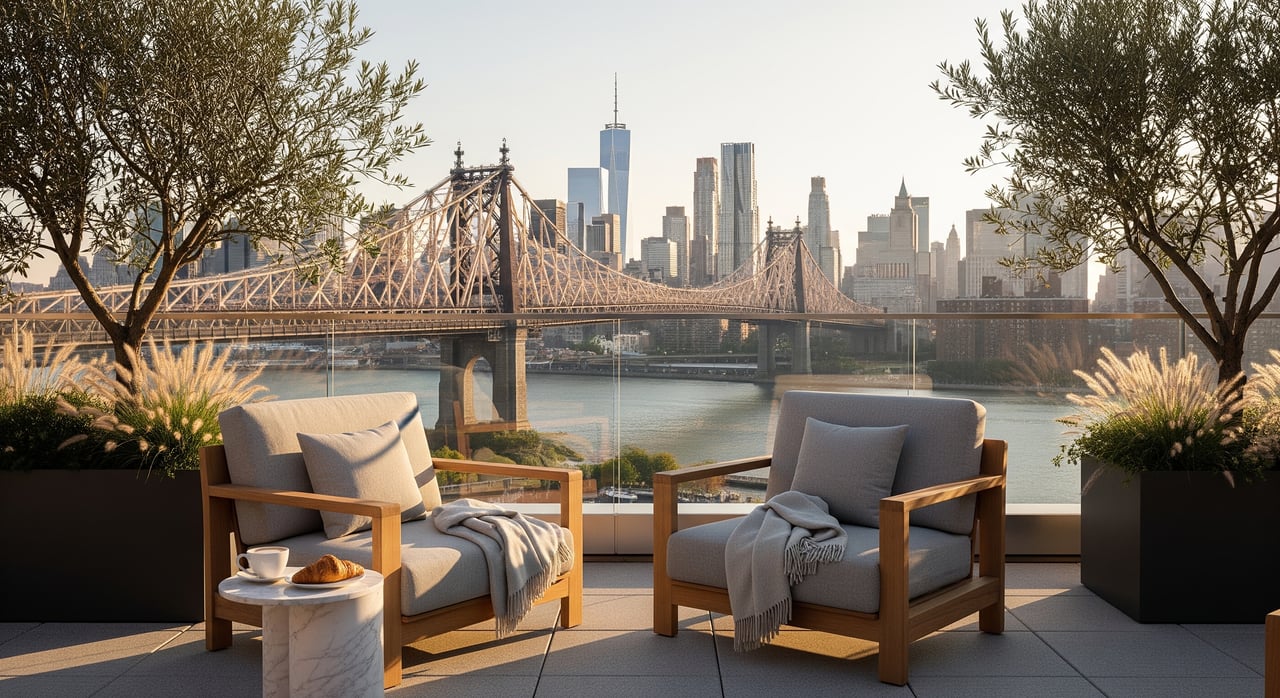
Expect mid- and high-rise living in Long Island City, with older walk-ups and rowhouses in Astoria and Sunnyside. Streets near the waterfront feel active, with cafes, bars, and parks, plus skyline views. Commutes are shorter on lines that connect to Midtown and Queensboro Plaza. Nightlife and dining options are robust in these areas.
Central Queens
In Jackson Heights, Elmhurst, Corona, and Flushing, you’ll see dense walk-ups, busy ground-floor retail, and apartment buildings above. The street life is vibrant, with crowded markets and long commercial corridors like Roosevelt Avenue and Main Street in Flushing. Food choices span the globe and prices vary widely. Streets can be crowded and parking can be limited.
Forest Hills, Rego Park, Kew Gardens
These neighborhoods mix 1920s–1940s co-ops and apartments with single-family homes and garden-style complexes. You’ll find tree-lined blocks and a village-like retail core, especially around Austin Street in Forest Hills. The pace feels more residential during the day. Local cafes and schools anchor daily routines.
Eastern and Northeastern Queens
Bayside, Little Neck, and Douglaston lean suburban in scale, with single-family homes, lawns, and small commercial nodes. You may rely more on a car for errands, though the Long Island Rail Road helps with regional commuting. Streets are quieter and less dense. Retail is often organized in strip centers with convenient parking.
Southeast Queens and Jamaica
This area mixes apartment blocks, single-family streets, and major institutional uses. Jamaica Station is a key transit hub with LIRR and broad bus connections, plus links to the AirTrain for JFK. Retail and municipal services cluster around this center. Amenities and street activity vary by block.
The Rockaways
Daily life can feel like a seaside town, especially in warmer months near the boardwalk. Housing includes bungalows and beachfront buildings. Surf culture and seasonal retail energize the peninsula in summer. Weather and storm resilience are practical considerations for year-round living.
Housing choices and costs
Queens offers everything from new luxury towers to classic co-ops, rentals, condos, and single-family homes. Prices vary by neighborhood and building type. Western nodes with new towers or strong express transit tend to be more expensive, while eastern and southeastern areas often trade a longer commute for more space at a given price. The borough also includes public housing, including one of the country’s largest developments in Long Island City.
Ownership runs the gamut: co-ops remain common in parts of Forest Hills and similar complexes, condos and rentals dominate newer buildings, and single-family homes are prevalent in outlying neighborhoods. If you value extra square footage or multi-bedroom floor plans, you may find more options here compared with Manhattan, though high-end developments in western Queens can command premium pricing.
Getting around and commute reality
The subway network connects much of Queens to Manhattan and Brooklyn. The 7 train is a major east–west spine between Flushing and Midtown. The E, F, M, R, N, and W lines serve other busy corridors. Jamaica Station is a major Long Island Rail Road hub with frequent service into Manhattan and across Long Island, plus a connection to the AirTrain for JFK.
Bus lines fill in gaps where the subway is sparse, though they can slow during peak hours. Car ownership is more common in the east and northeast, while western neighborhoods are more transit-oriented. Citi Bike and growing bike lanes are expanding short-trip choices. Commute times vary: living near an express subway or LIRR stop can trim your daily ride, while transfers from central and eastern neighborhoods can push travel to 45 minutes or more.
Everyday amenities you’ll use
Food and retail
Queens is a world tour of cuisine. Flushing offers broad Chinese and Korean options, Jackson Heights features South Asian and Latin American restaurants, and Astoria is known for Greek and Mediterranean spots. You’ll find bodegas, discount markets, and specialty grocers on most main streets. Seasonal markets, including evening events, add to weekend routines.
Parks and outdoors
Flushing Meadows–Corona Park provides vast open space and cultural attractions, including the Unisphere and national tennis facilities. Forest Park and Alley Pond Park offer trails and playgrounds. On the waterfront, Long Island City and Astoria promenades deliver river views and bike paths. Rockaway Beach draws swimmers and surfers when the weather warms.
Culture and events
You can spend an afternoon at MoMA PS1 in Long Island City, explore the Queens Museum in Flushing Meadows, or visit the Museum of the Moving Image in Astoria. Sculpture parks and outdoor installations add to the mix. Citi Field anchors big-event weekends and can shape transit crowds on game days.
Schools and healthcare
You have a range of public and private school options across the borough. Enrollment patterns and admissions processes vary by neighborhood and by individual school. Higher education institutions include Queens College, LaGuardia Community College, and a St. John’s University campus. Hospitals and clinics are spread across central and southeastern Queens, with local health centers in many neighborhoods.
Noise, weather, and quality of life
If you live near flight paths, you may notice airplane noise from JFK or LaGuardia. Waterfront neighborhoods offer breezes and views, and in some coastal zones, storm preparedness is part of homeownership or renting. Major roads like Queens Boulevard and Northern Boulevard carry heavy traffic at times. Parking is often tight in dense areas, and rules can be complex, so factor that into your routine.
Safety perceptions vary block by block and can shift over time. Many residential streets feel quiet in the evenings, while commercial corridors stay active later. For current context, review official reports for the neighborhood you’re considering and visit at different times of day to see how the streets feel for you.
Tradeoffs to consider
- Proximity vs. space: Closer to Manhattan often costs more; farther out can buy more room.
- Transit vs. car: Western and central areas are highly walkable and subway-served; eastern areas may favor driving or the LIRR.
- Street energy vs. quiet: Central corridors are lively and dense; some residential pockets are calmer by design.
- New builds vs. character homes: Modern amenities in newer towers or historic charm in older co-ops and houses.
- Coastal access vs. weather: Rockaways offer beach living, with the need to plan for storms.
How to choose your fit
- Map your commute: Identify your primary destination and test peak-hour routes. Aim for an express subway or LIRR option if time matters.
- Walk the block: Visit morning, afternoon, and late evening to gauge noise, lighting, and street activity.
- Inventory your essentials: List your must-have amenities, such as parks, markets, or specific cultural institutions, and check distance on foot.
- Right-size the home: Decide on space, storage, and layout needs. In older co-ops, review building policies; in new towers, compare amenity fees.
- Plan for parking or bikes: If you drive, verify rules and typical availability. If you bike, look for protected lanes and storage options.
- Consider resilience: For coastal or flight-path areas, understand flood maps, building systems, and typical noise levels.
Ready for local guidance?
Queens offers a rich mix of neighborhoods, housing choices, and daily rhythms. If you want to compare blocks, test commutes, and weigh value across co-ops, condos, and single-family options, you deserve a clear, tailored plan. Schedule your personalized market consultation with Nadine Nassar to explore the right fit and move forward with confidence.
FAQs
What is a typical Queens commute to Manhattan?
- Commute times vary by neighborhood and mode; living near an express subway or the LIRR can shorten trips, while bus transfers from central or eastern areas can add time.
How walkable are Queens neighborhoods?
- Western and central corridors are generally highly walkable with dense retail; eastern neighborhoods tend to be more car-dependent with retail in strip centers.
Where are the major parks in Queens?
- Flushing Meadows–Corona Park is the largest, with Forest Park and Alley Pond Park offering trails and recreation, plus waterfront promenades in Long Island City and Astoria.
What housing types are most common in Queens?
- You’ll find a mix of rentals, co-ops, and condos, plus single-family homes in eastern areas and newer high-rises in parts of western Queens.
What should I know about noise and weather in Queens?
- Flight-path areas near JFK and LaGuardia can experience airplane noise, and coastal zones like the Rockaways require storm preparedness and resilience planning.