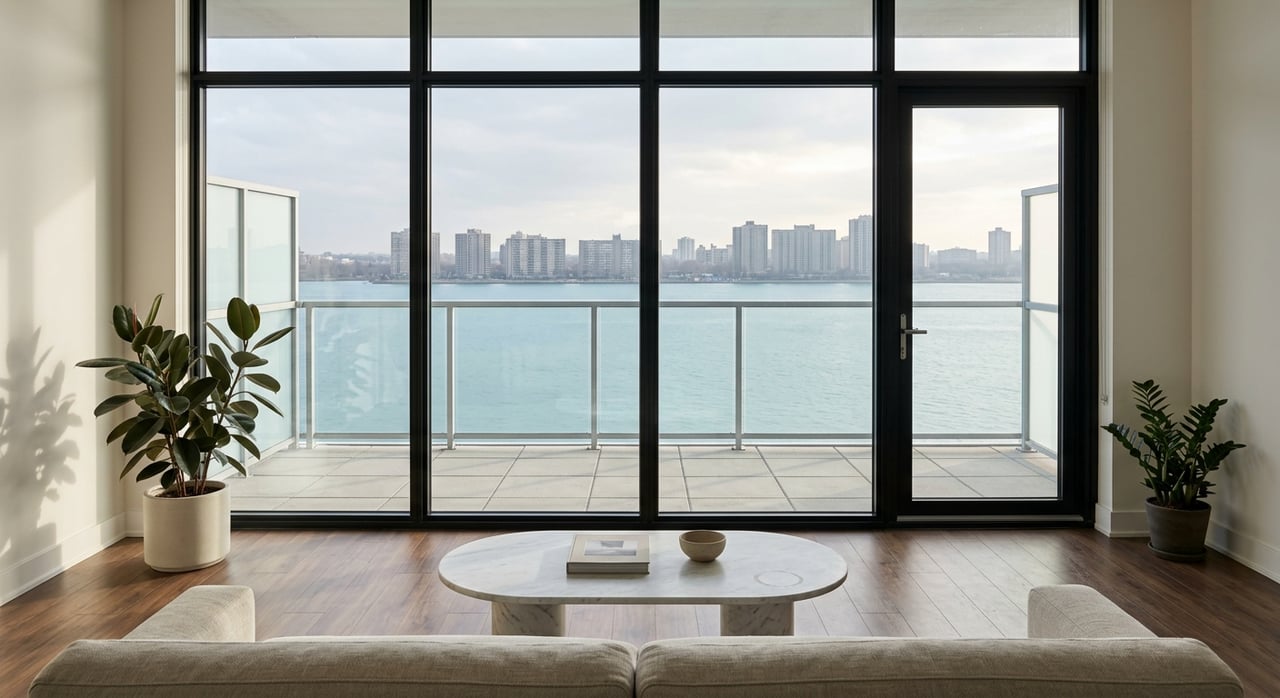
If you picture waterfront living in Queens as one single lifestyle, you may be surprised by how different it feels from one shoreline to the next. Some areas are built around skyline views and fast commutes, while others are shaped by parks, boardwalk routines, and a stronger connection to the beach. If you are weighing a move, rental, or purchase near the water, understanding those differences can help you choose a location that fits how you actually live. Let’s dive in.
Waterfront Life Depends on Location
Waterfront living in Queens is not one uniform experience. Long Island City, Astoria, and the Rockaways each offer a distinct daily rhythm, even though all three are tied to the water.
Long Island City is the westernmost residential and commercial neighborhood in Queens, and Queens Community Board 2 describes it as an area of rapid development with waterfront parks and a strong arts community. Within LIC, Hunter’s Point South stands out as a formerly industrial East River site that is being developed as a mixed-use, mixed-income district with new homes and public open space.
Astoria’s waterfront is centered on the East River edge around Astoria Park. The Rockaways, by contrast, sit on a peninsula between Jamaica Bay and the Atlantic Ocean, creating a setting that feels much more beach-oriented than most of the borough.
Long Island City Offers a City-Waterfront Mix
If your idea of waterfront living includes skyline views, newer development, and multiple transit options, Long Island City is often the clearest fit. The area combines residential growth with public waterfront access, arts spaces, and an urban street network that stays closely connected to the rest of western Queens.
A major part of LIC’s appeal is its open-space network. Gantry Plaza State Park spans 12 acres and includes four piers, gardens, a mist fountain, basketball and handball courts, a fishing pier, and dog runs. Nearby, Hunter’s Point South Park adds another 11 acres with a central green, playgrounds, sports facilities, a dog run, and concessions.
That mix creates a waterfront lifestyle that feels active and public rather than isolated. You are not just buying a view. In many cases, you are living next to an esplanade, park space, and shared shoreline access that becomes part of your daily routine.
Everyday Life in LIC
One of the most practical things to know about LIC is that dining and nightlife are often a short walk inland rather than directly on the waterfront. The local experience is shaped by spots around Jackson Avenue, Vernon Boulevard, Queens Plaza, and nearby blocks, where the MTA neighborhood guide points to arts venues, breweries, bookstores, and casual dining.
That layout matters because it makes the waterfront feel more like an extension of daily life than a separate entertainment zone. You can spend time by the river, then head a few blocks inland for errands, dinner, or transit.
Why LIC Feels So Public
Queens waterfront areas often feel more open to everyone than buyers first expect. NYC waterfront zoning requires public access areas in mapped waterfront districts, including shore public walkways and upland connections.
LIC’s waterfront design guidance also supports mixed-use development that can accommodate flood-protection elevations while still creating connected esplanades and park experiences. In simple terms, many buildings here are designed around a public waterfront edge, not just private frontage.
Astoria Blends Shoreline and Neighborhood Routine
Astoria offers a different kind of waterfront appeal. Rather than feeling defined by large-scale new development, its waterfront identity is tied more closely to Astoria Park and the neighborhood around it.
Astoria Park gives you shoreline views along with a pool, track, tennis courts, basketball courts, trails, and playgrounds. For many buyers and renters, that means the water is part of a broader neighborhood routine that includes recreation, green space, and established local blocks.
If you want a waterfront setting without giving up a more familiar neighborhood feel, Astoria can be a strong middle ground. It still connects you to the East River, but the lifestyle may feel less centered on new-build waterfront planning and more rooted in the wider community pattern.
The Rockaways Deliver a True Beach Lifestyle
If what you really want is not just water views but a beach-centered way of living, the Rockaways stand apart. This part of Queens is shaped by the boardwalk, the Atlantic Ocean, and a much more seasonal rhythm.
Rockaway Beach and Boardwalk functions as a year-round resource, though it becomes much busier in summer. It includes concessions, playgrounds, and the city’s only designated surf beach, which gives the area a daily identity unlike anywhere else in the borough.
That difference matters. In the Rockaways, the water is not simply scenery or a park edge. It is often the center of how people spend free time, especially during warmer months.
What to Expect Day to Day
The Rockaways can feel more recreational and more seasonal than LIC or Astoria. There are boardwalk concessions and eateries, but the overall rhythm is more beach-focused, and your experience may vary more by time of year.
For some people, that is exactly the appeal. For others, especially those who want more transit backup options and a less seasonal routine, it may feel like a bigger lifestyle choice.
Transit Changes the Waterfront Experience
One of the biggest practical differences between Queens waterfront areas is transportation. A beautiful setting matters, but so does how easily you can move through the city from your exact address.
Long Island City is the most transit-rich waterfront area in Queens. The MTA shows 7 line stops at Vernon Blvd-Jackson Av, Hunters Point Av, Court Sq, and Queensboro Plaza, while the W line serves Queensboro Plaza and Astoria Blvd on the Astoria branch. The Long Island City LIRR station also connects to Vernon Blvd-Jackson Av, the Q103 bus, and NYC Ferry.
The ferry adds another layer of flexibility. The Astoria route connects western Queens and Roosevelt Island to Long Island City, East 34th Street, Brooklyn Navy Yard, and Wall Street/Pier 11, with an approximate total ride time of 49 minutes.
The Rockaway-Soundview route links the Rockaways with Lower Manhattan, the Bronx, and Sunset Park. Even so, commute convenience still depends on the exact address, and LIC and Astoria generally offer more transit redundancy than the Rockaways.
Which Area Is Easiest for Commuters?
Based on the research, LIC and Astoria are usually the most commuter-friendly waterfront choices in Queens. They combine subway access, ferry service, and in some cases LIRR connectivity.
The Rockaways can still work well, especially for buyers or renters who value the beach lifestyle, but many addresses there rely more on a subway-plus-ferry or subway-plus-shuttle pattern. That can feel very different in day-to-day planning.
New Development Shapes Many Waterfront Options
If you are searching for a newer home or recently redeveloped building, waterfront Queens may offer more of those opportunities than some inland sections. That is especially true in Hunter’s Point South, where the city says the area will ultimately include roughly 5,000 new homes and about 3,000 affordable, income-restricted units, along with retail, schools, and open space.
This helps explain why many waterfront choices in Queens feel newer in character. In places like Hunter’s Point South, the built environment is being shaped by recent planning priorities, open space design, and flood-related resiliency requirements.
For some buyers and renters, that translates to a polished, more recently built setting. For others, it may feel less like a traditional neighborhood fabric and more like a planned waterfront district.
Waterfront Tradeoffs Matter
Views, parks, and access to open space are a major draw, but waterfront living in Queens comes with tradeoffs that should be taken seriously. Coastal exposure is one of the most important.
NYC’s climate dashboard says nearly 2.5 million New Yorkers live in the 100-year floodplain and notes that low-lying neighborhoods can face tidal flooding even without a storm. The city’s Rockaway resiliency planning also identifies Rockaway Park and Rockaway Beach as waterfront communities vulnerable to coastal flooding and storm surge, with the vast majority of buildings in the study area now within the 1% annual chance floodplain.
That does not mean waterfront living is the wrong choice. It means your due diligence needs to be more specific.
What You Should Verify First
Before you buy or rent near the water in Queens, it is wise to confirm a few basics:
- Flood zone exposure for the exact property
- Building elevation or resiliency features
- How much transit redundancy the address actually offers
- Whether your day-to-day priorities lean more toward views and open space or easier backup options inland
These details can shape your long-term comfort with the property as much as the apartment itself.
What Waterfront Living in Queens Really Offers
At its best, waterfront living in Queens offers a distinct daily routine. You may get riverfront parks in LIC, shoreline recreation in Astoria, or a true beach environment in the Rockaways. What you are really choosing is not only a home, but a pattern of life.
For some buyers and renters, that pattern feels energizing and worth every tradeoff. For others, a more inland Queens location may feel simpler and more practical. The right choice depends on how you want your mornings, weekends, commute, and open-space access to feel in real life.
If you want a strategic, personalized read on which Queens waterfront location best matches your lifestyle or investment goals, connect with Nadine Nassar for a tailored consultation.
FAQs
What does waterfront living in Long Island City offer?
- Long Island City offers a mix of waterfront parks, skyline views, newer development, public shoreline access, and strong transit connections including subway, ferry, and some LIRR access.
What does waterfront living in Astoria feel like?
- Astoria waterfront living is centered around Astoria Park and tends to blend shoreline views and recreation with a broader neighborhood feel.
What makes the Rockaways different from other Queens waterfront areas?
- The Rockaways offer the most beach-oriented lifestyle in Queens, with Rockaway Beach and Boardwalk, seasonal energy, and the city’s only designated surf beach.
What should buyers verify before choosing a waterfront home in Queens?
- Buyers should verify flood zone exposure, building elevation or resiliency features, and how much transit redundancy the exact address provides.
Which Queens waterfront area is most commuter-friendly?
- Long Island City and Astoria are generally the most commuter-friendly because they offer the strongest mix of subway and ferry access, with some LIRR connectivity in Long Island City.
Are Queens waterfront buildings mostly private enclaves?
- Not necessarily. NYC waterfront zoning requires public access features in mapped waterfront districts, so many waterfront buildings are designed around public walkways, parks, and connected shoreline spaces.